
The Problem
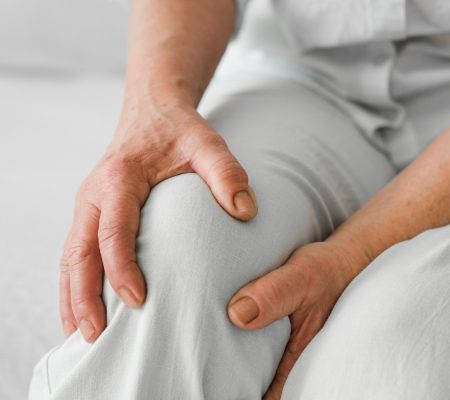
Over 300,000 adults in Ireland live with knee osteoarthritis linked to excess weight — Yet most only receive partial care that treats symptoms — not the root driver: weight.
The Challenge
Knee osteoarthritis is a degenerative condition, meaning it gradually worsens if the underlying causes aren’t addressed.
Without tackling both joint load and muscle support together, progress is temporary, and the condition continues to advance — keeping surgery risk high and long-term healthcare dependence ongoing.
Weight loss is often overlooked because traditional diets are too slow to bring early pain relief (6–12 months).
As a result, patients don’t see it as worth pursuing to help knee osteoarthritis, and doctors view it as impractical to recommend.
Accessing separate physio and nutrition care creates extra barriers.
Multiple in-person appointments in different locations mean travel, parking, waiting, and time away from work or family — making consistent, coordinated care difficult to sustain.

The Solution
It delivers complete, integrated care — combining physiotherapy with an evidence-based medical diet that achieves safe, clinically supervised weight loss up to three times faster than traditional approaches (9–15 kg in 6 weeks), followed by a Mediterranean-style diet to support long-term success — all delivered digitally for comfort and convenience at home.
Why KNEED Is Different
Every 1 kg you lose removes ~4 kg of pressure from your knees — meaning 9–15 kg can reduce knee load by 36–60 kg in just 6 weeks.
Why this matters
Research shows that combining medical weight loss with physiotherapy can support greater improvements in pain and movement, reduce joint load, and lower surgical risk, compared with physiotherapy alone.
Clinically proven results that make every kilo lost count.

Hey, I’m Colm — founder and program coordinator of the KNEED program.
I hold a BSc in Physiotherapy and an MSc in Obesity and Weight Management.
My interest in weight management began during my undergraduate thesis, where I explored how excess weight affects musculoskeletal health. It quickly became clear that physiotherapy alone often isn’t enough for people significantly above a healthy weight in certain areas — especially as obesity rates continue to rise. Without addressing both pain and weight together for some conditions, progress is often temporary.
That realisation led me to focus my MSc research on the importance of integrated care — combining physiotherapy and structured weight management — as the foundation for long-term success.
Since then, I’ve worked extensively in outpatient physiotherapy, focusing on knee osteoarthritis, and also spent time working as a digital nutritionist in the United States. These experiences made it clear that digital care isn’t just convenient — it’s the most practical and effective way to manage weight-related knee osteoarthritis, because it allows nutrition, physiotherapy, and behavioural support to work together seamlessly.
I was also inspired by the University of Melbourne’s Better Knee, Better Me research — a landmark digital program that, for the first time, successfully combined physiotherapy with a medically supervised diet to accelerate weight loss and improve patient engagement. It showed that faster, structured weight loss helps patients see meaningful short-term improvements beyond physiotherapy or medication alone, while laying the groundwork for longer-term success. It also made weight management a more achievable and clinically realistic part of OA care for referring doctors.
KNEED builds on that foundation. Grounded in research and shaped by real-world clinical experience, it offers a smarter, more accessible way to manage knee osteoarthritis. By integrating physiotherapy, medical nutrition, and behavioural coaching into one structured digital pathway, patients receive complete, coordinated care from home — or wherever it fits into their day — without group sessions, long commutes, or waiting rooms.